Best Time for a Cliffs of Moher Cruise: Season, Months and Weather (2026)
The boats run from late February to early November, but the sea sets the real timetable. Here is which month, and which slot, gives you the calmest hour under the wall.
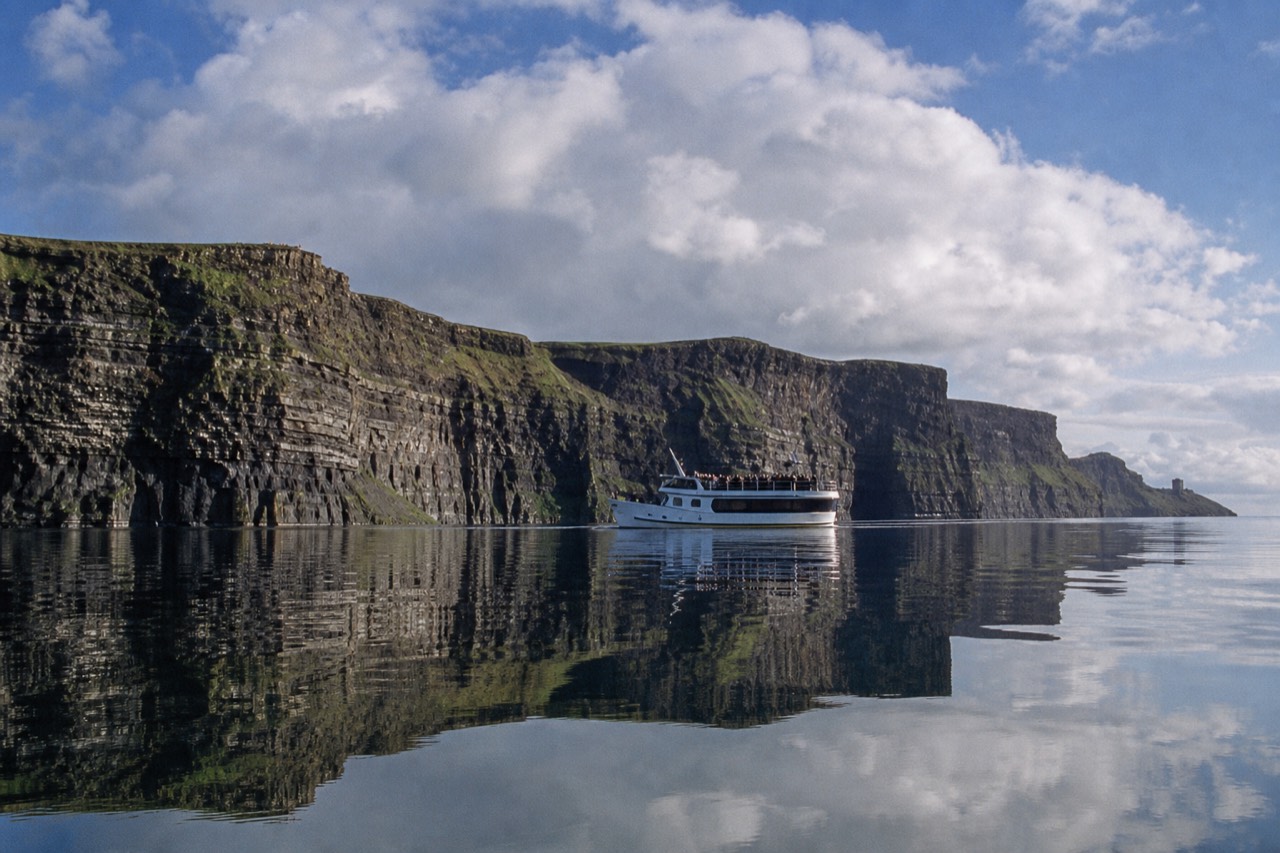
Short answer
The 2026 Doolin cruise season runs from 28 February to 1 November, weather permitting. May and June are the sweet spot: calmer seas, long daylight and puffins on the ledges. Mornings are usually calmer than afternoons, and an earlier date in your trip leaves room to rebook if the sea turns.
By late February the boats are back on Doolin Pier, and by the first of November they are hauled out for the winter. Between those two dates the Cliffs of Moher cruise runs on a schedule set less by the calendar than by the Atlantic, which can flatten to glass one morning and close the pier the next. Picking the right week, and the right slot within the day, is the difference between an hour under the 214-metre Cliffs of Moher in still air and a wet, rolling 45 minutes some passengers would rather forget.
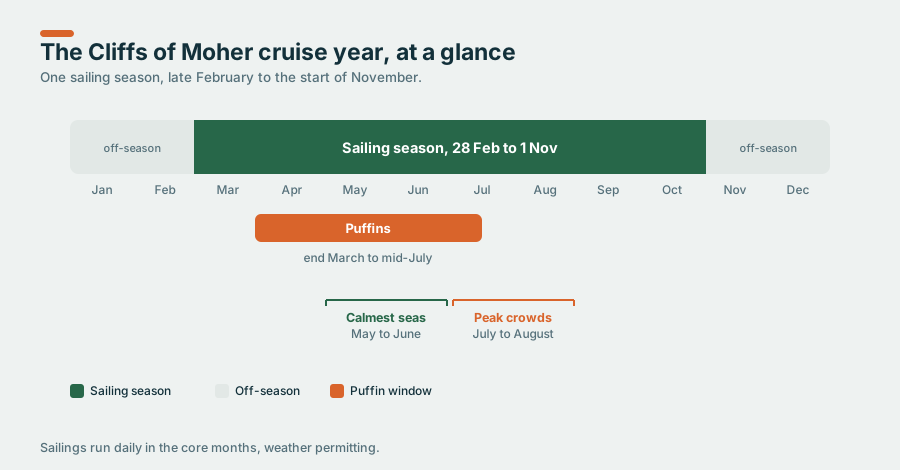
The season splits into a wide shoulder and a short, reliable core. Puffins arrive at the end of March and are gone by the middle of July. Crowds peak in July and August, while the seas are calmest, on average, from late spring into early summer. This guide takes the year month by month, weighs a morning sailing against an afternoon one, and stays honest about the single thing you cannot book around, which is the weather on the day you turn up.
Prices and review counts quoted in the editorial below are earlier planning snapshots, not live quotes. Check the booking option for your date, currency and party before comparing totals.
When does the Cliffs of Moher cruise season run in 2026?
The 2026 Doolin cruise season runs from 28 February to 1 November, weather and sea conditions permitting. Sailings are sparse at each end and daily through the core months. Departures from Doolin Pier are at 14:00 and 17:15 in the shoulder weeks, expanding to 12:00, 14:00, 15:00 and 17:15 from late March to late September, then dropping back to two a day for the final weeks.
The window is wider than most visitors assume, and the exact dates are worth pinning down, because loose spring-to-autumn shorthand is wrong at both ends. The operator's own 2026 Doolin Ferry timetable opens sailings on 28 February and runs them through to 1 November, seven days a week in the core months, always subject to the sea. The three departure blocks below come straight from that published timetable, so you can match a slot to your trip before you commit to a date.
| Dates in 2026 | Cliff cruise departures from Doolin Pier | Character of the period |
|---|---|---|
| 28 Feb to 27 Mar | 14:00, 17:15 | Early shoulder, cold, quiet, no puffins yet |
| 28 Mar to 27 Sep | 12:00, 14:00, 15:00, 17:15 | The full core season, most sailings, best odds |
| 28 Sep to 1 Nov | 14:00, 17:15 | Late shoulder, rougher, thinning crowds |
This site, Cliffs of Moher Cruises, is an independent guide rather than a boat operator, and the honest headline is that the season is long but the good sailing weather is not evenly spread across it. The two shoulder blocks put fewer boats on the water and carry a higher chance the sea shuts them down. The core block, from late March to late September, is where the extra midday and afternoon departures give you options if one slot is booked or blown out. Here are the main ways to get onto that water, side by side, before the month-by-month detail below.
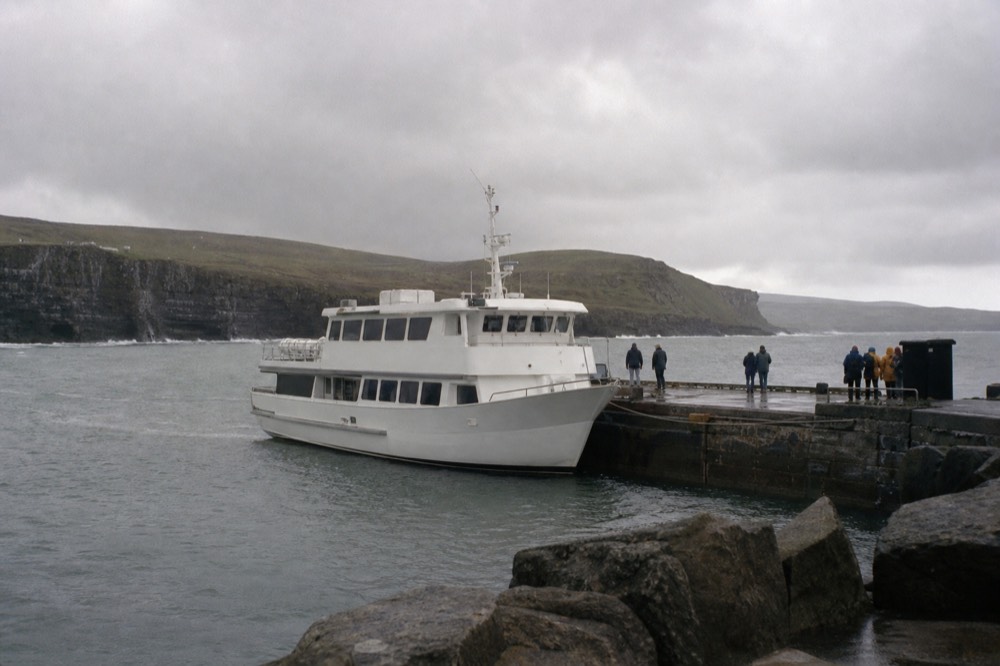
Which months are the best for a Cliffs of Moher cruise?
May and June are the strongest overall: calmer average seas, long daylight, puffins on the ledges and crowds that have not yet peaked. April and September are the value picks, quieter and cheaper with a fair chance of settled water. July and August bring the warmest weather and the biggest crowds but choppier afternoons. February, March, October and the first day of November are the gamble months.
The month you choose changes four things at once: how likely the boat is to sail, how rough it will be if it does, whether the puffins are in, and how many other people are on the pier. No single month is perfect on all four, so the scorecard below weighs each one honestly. Late spring wins because it lands closest to a clean sweep, with settling seas, the seabird colonies at full strength and daylight long enough that even the 17:15 sailing runs in good light.
| Month | Sailings | Sea and weather | Crowds | Wildlife | Verdict |
|---|---|---|---|---|---|
| Late February | Two a day from the 28th | Cold, often rough | Very quiet | No puffins | Only for the determined |
| March | Ramps up from the 28th | Variable, cool | Quiet | Puffins arrive end of month | Improving, still a gamble |
| April | Full core schedule | Milder, mixed seas | Building slowly | Puffins settling in | Strong value pick |
| May | Full core schedule | Often the calmest | Moderate | Puffins at their best | The overall sweet spot |
| June | Full core schedule | Calm to moderate, long days | Building fast | Puffins peak, gone by mid-July | Excellent, book ahead |
| July | Full core schedule | Warm, choppy afternoons | Peak | Puffins to mid-month only | Busy but reliable |
| August | Full core schedule | Warm, fog risk noted | Peak | No puffins | Warm, crowded, hazy |
| September | Full until the 27th | Settling but swelly spells | Easing | None | Fine value, watch the swell |
| October | Two a day | Rougher, storm risk | Quiet | None | High cancellation risk |
| To 1 November | Two a day | Cold, rough | Very quiet | None | Last chance, weather-dependent |
If your dates are flexible, aim for the second half of May or the first half of June and book a morning. That combination gives you the best odds on every measure at once. The calmer late-spring water is also the gentlest ride if you are taking children on the cruise. The core Doolin cliff cruise is the trip most people mean when they picture the boat under the wall, and on a settled late-spring morning it is hard to beat for the money.
Is it better to sail in the morning or the afternoon?
Mornings are usually the safer booking. Overnight the wind often drops, so the earliest slot tends to give the flattest water and the calmest ride under the wall. It also leaves the rest of the day free to rebook if that sailing is cancelled. Afternoons can be warmer and, on a return leg around midday, better lit for photography, but they carry more wind and swell as the day builds.
There is no cast-iron rule here, because Atlantic weather does what it likes, but the pattern holds often enough to plan around. Wind tends to freshen through the afternoon as the land heats, which raises the swell reflecting off the base of the cliffs. Booking the first departure of the day stacks two advantages: the water is more likely to be settled, and if the sea does force a cancellation you still have the afternoon slots as a fallback rather than watching your only chance disappear.
| Morning sailing | Afternoon sailing | |
|---|---|---|
| Sea state | Usually calmest, wind often lightest | Wind and swell tend to build |
| Cancellation cushion | Later slots left as a fallback | Little room to rebook the same day |
| Light for photos | Flatter, even light on the wall | A midday return can put the sun behind you |
| Crowds on the pier | Thinner early | Fuller through the afternoon |
| Best for | Calm-water odds and flexibility | Warmth and dramatic late light |
Photographers have a genuine reason to pick a midday or early-afternoon return, when the sun sits behind the boat and lights the cliff face rather than silhouetting it. That is a real trade-off against the calmer morning water, and it comes down to whether you care more about a steady ride or the best light. For most first-time visitors the morning is the sensible default, and the argument is laid out in full in our look at whether the cliffs are better in the morning or the afternoon.
How do swell and weather cancellations actually work?
The operator cancels or amends a sailing when the sea is unsafe or simply too rough to be enjoyable, and that call is theirs to make even on a technically safe day. If the operator cancels, you are emailed and offered a full refund or a place on another sailing. A customer cancellation is refunded in full up to the cutoff stated on your booking confirmation. after that deadline it is a best-effort reschedule, with no guaranteed refund.
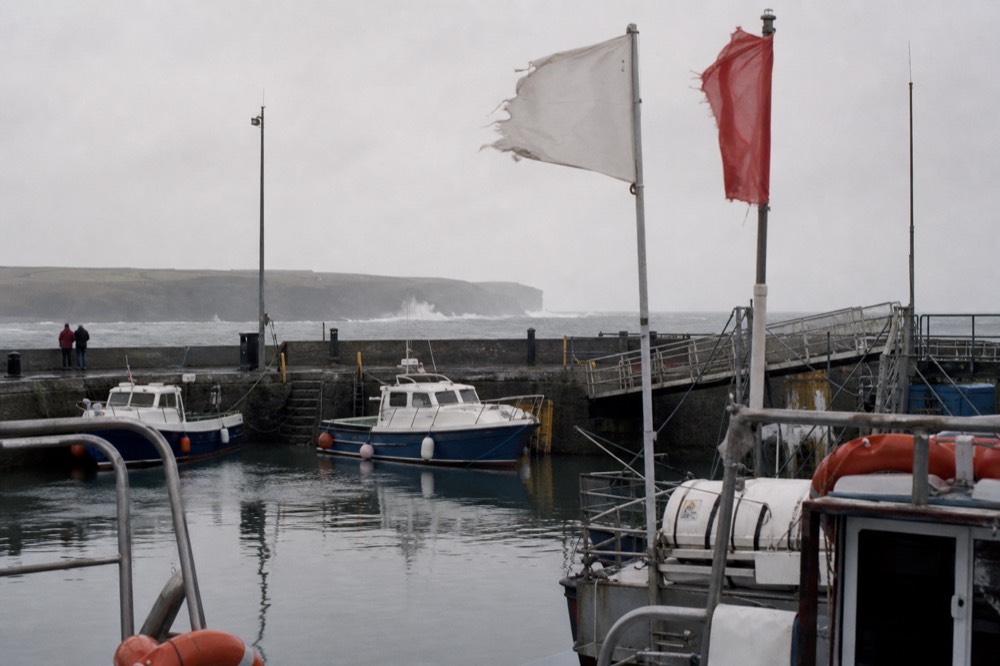
There is no published wind speed or wave height that trips a cancellation. It is skipper and operator judgement on the day, based on the swell running at the base of the cliffs rather than the conditions in the sheltered harbour. That distinction matters, because Doolin Pier can look calm while the open water under the wall is rolling. The reflected swell off the rock face is what makes the difference between a smooth hour and a wet one, and it is why a flat-looking morning is not a cast-iron guarantee.
| Situation | What happens | What it means for you |
|---|---|---|
| Operator cancels for weather | Email notice, full refund or reschedule offered | You lose no money, only the slot |
| You cancel, 48+ hours out | Full refund | Book early with no real risk |
| You cancel, after that deadline | Best-effort reschedule, no guaranteed refund | Hold firm dates only when sure |
| A big storm system arrives | All sailings pulled until it passes | Keep a spare day in your plan |
The Storm Amy weekend of 3 to 4 October 2025 is the clean example: every sailing was cancelled for two days, then resumed on the 5th once the system moved through. That is the shoulder-season pattern in miniature, and it is exactly why booking an earlier date in your trip, rather than your last morning, is the single most useful move you can make. The free-cancellation policy on the core listings means payment may be required upfront and cancellation has a deadline, and our guide to how rough the crossing gets covers what a swelly day actually feels like on the water.
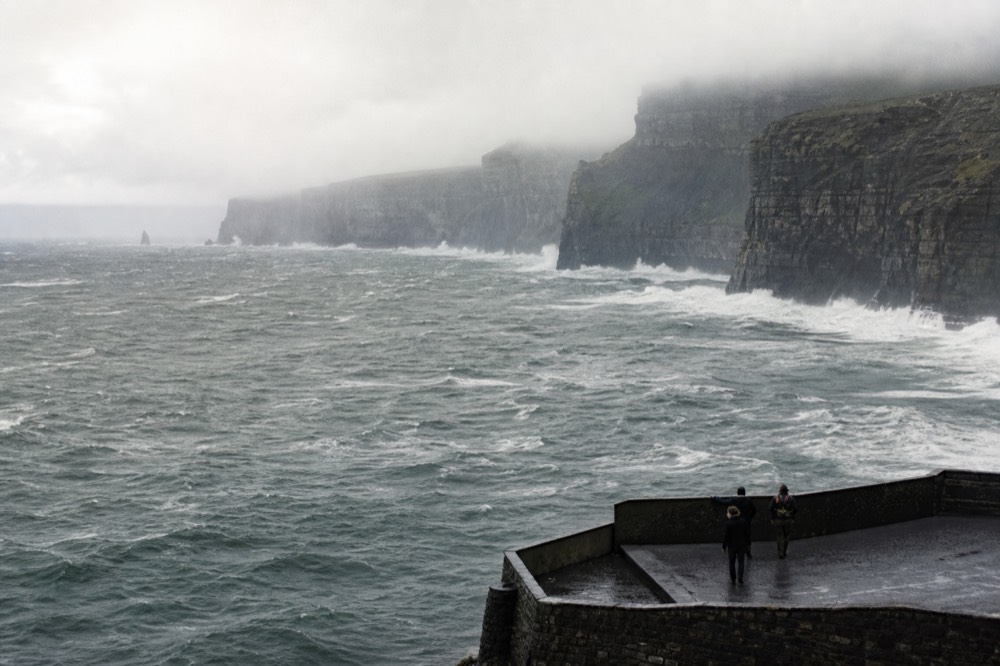
When are the seas calmest, and how do you cut the cancellation risk?
On average the calmest water runs from late April through June, before the summer sea breezes strengthen and well before the autumn storm season. Within any month, the earliest sailing of the day is usually the flattest. To cut the odds of a wasted trip, book a morning, pick an earlier date in your stay so you have days to rebook, and lean on the free-cancellation window rather than a single fixed slot.
Calm is relative on this coast. Even in the best weeks the base of the cliffs can carry a low swell, because it faces the open ocean with nothing between it and North America. What late spring buys you is a better average and a lower chance of the kind of system that closes the pier for days. September can still deliver glassy mornings, but it also throws the odd swelly spell as the first autumn lows track in, so it rewards flexibility more than a fixed booking. For a month-by-month feel, our sibling piece on what the May weather is like drills into the calmest part of the window.
| Move | Why it helps |
|---|---|
| Book the first sailing of the day | Wind is usually lightest, water flattest |
| Choose late April to June if you can | Best average sea state of the season |
| Put the cruise early in your trip | Leaves spare days to rebook after a cancellation |
| Use the free-cancellation window | Hold a date at no cost, switch if the forecast turns |
| Watch the forecast the cutoff stated on your booking confirmation | The refund line falls at the cutoff stated on your booking confirmation |
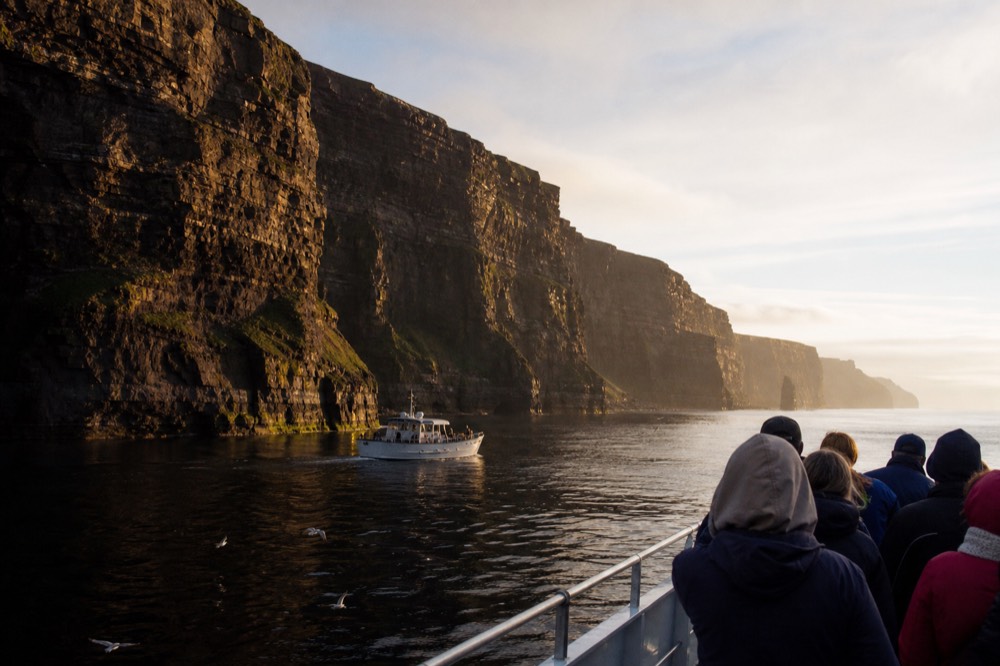
The full-day trips from Galway and Dublin need the same flexibility, and the busiest of them can sell out well ahead in peak season. The Galway Tour Company's day trip carries a "likely to sell out" note on its listing, so if you are set on a summer date it pays to lock it in early and treat the coach as the fixed part and the cliff cruise leg as the weather-dependent one.
When is the best time to see puffins and wildlife on the cruise?
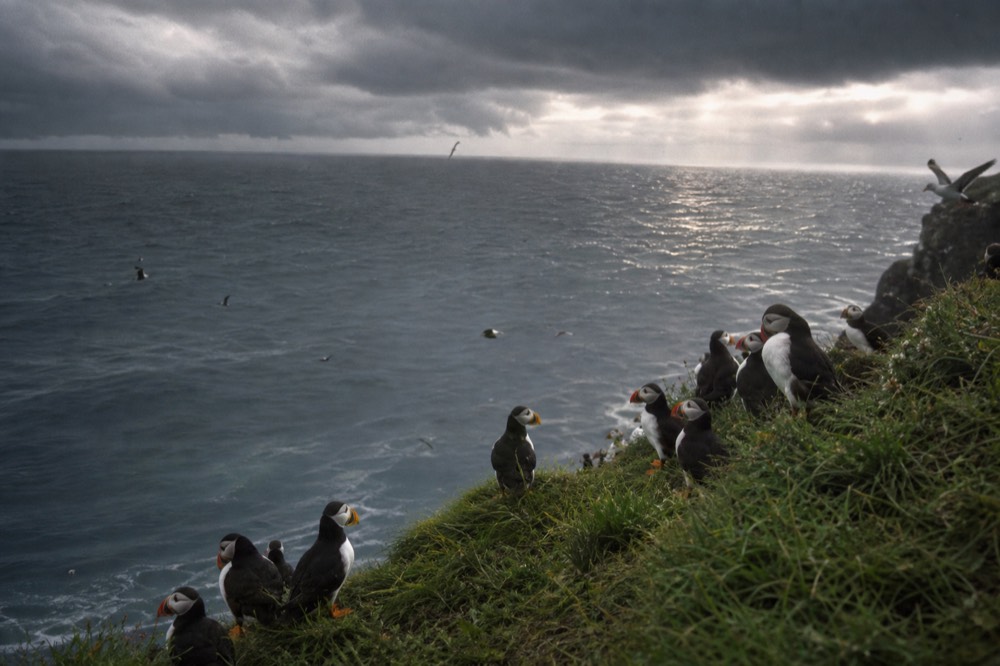
Atlantic puffins are at the cliffs from the end of March to about the middle of July, at their best in May and June, when they nest on the grassy slopes and on Goat Island by the sea stack. Outside that window you still see guillemots, razorbills, kittiwakes and fulmars on the ledges through the season. Dolphins, grey seals and, rarely, a basking shark or minke whale are possible on any sailing but never guaranteed.
If the seabirds are a priority, the puffin window narrows the best-time question considerably. There is no point booking for the birds in August, when the puffins have already left for the open ocean, and the official cliffs guidance puts their arrival at the end of March and their departure by mid-July. May and June are the overlap where the calmest average seas and the peak of the colony line up, which is a large part of why those two months top the scorecard. The crew slows the boat at the An Branán Mór sea stack, the tallest of the seabird roosts, and in season the ledges there are thick with nesting birds.
| Wildlife | When to look | How likely |
|---|---|---|
| Atlantic puffins | End of March to mid-July, best May to June | Possible during the breeding season, absent outside it |
| Guillemots, razorbills, kittiwakes, fulmars | Across the sailing season | Best looked for during the breeding season |
| Grey seals | Any month | Occasional, not guaranteed |
| Bottlenose and common dolphins | Any month | Possible, luck of the day |
| Basking sharks, minke whales | Summer, mostly | Rare, treat as a bonus |
For a full day that leans into the wildlife, the Aran combination trips add island time to the cliff cruise and put you on the water for far longer, which raises your odds of a chance dolphin sighting simply through hours at sea. The most reviewed of them, run by Wild Atlantic Way Day Tours, pairs the boat under the cliffs with a landing on Inis Oírr. Our dedicated puffin and seabird calendar breaks the species and the timing down week by week.
When should you avoid the Cliffs of Moher cruise?
Avoid the deep shoulders, late February and October into early November, unless you are willing to gamble on the weather and comfortable with a real chance of cancellation. Skip any windy, big-swell day if you are prone to seasickness and cannot move to a calmer slot. And if your heart is set on the clifftop walk and O'Brien's Tower rather than the view from below, the boat is not the trip you are picturing at all.
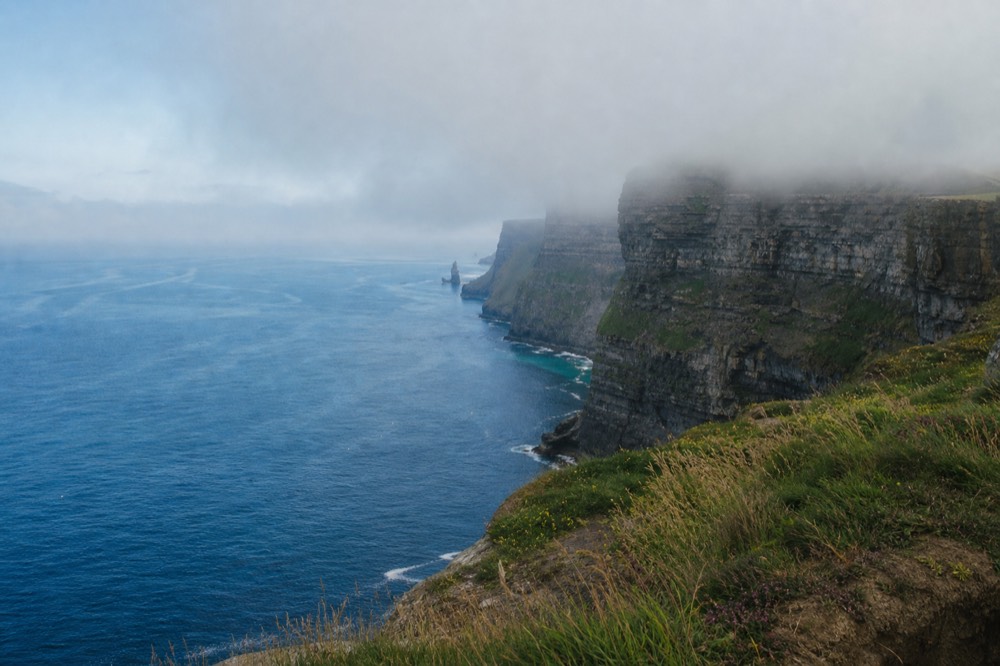
The gamble months are not a write-off, and a calm October morning can be as good as any in June, with the coast to yourself. The problem is the odds. Autumn lows track in more often, the sea shuts the pier more days, and the reduced two-a-day timetable leaves less room to rebook. If you only have a single fixed day in that period, you are betting a lot on the Atlantic behaving. August has a subtler catch: 2026 traveller notes flagged fog and low cloud obscuring the cliff tops from the water on some mornings, so the warmest, busiest month is not automatically the clearest.
The other group who should think twice are travellers with no flexibility at all. If the cruise is a fixed, unmovable item on a one-day itinerary, the honest advice is to have a backup ready, because even the best month cannot promise the sea. The clifftop visitor centre, about 8 km away and open subject to weather and safety restrictions, is the natural plan B, and our comparison of the cruise against the clifftop sets out when each one wins.
So when is the best time to book, overall?
For the best all-round odds, book a morning in the second half of May or the first half of June, and pick a date early in your trip so you can rebook if the sea turns. For quieter and cheaper, aim for April or September and stay flexible. For the warmest weather and the liveliest pier, July and August deliver, at the cost of crowds and choppier afternoons. Whichever you pick, the morning slot and the free-cancellation window are your two best tools.
There is no perfect date, only the best trade-off for what you value. The table below sorts the season by priority, so you can jump to the month and slot that fits your reason for going rather than chase an all-rounder that does not exist. What ties every row together is the same pair of moves: sail early in the day, and hold your booking loosely enough that a bad forecast is an inconvenience, not a lost trip.
| Your priority | Best window | The slot to book |
|---|---|---|
| Calmest seas overall | Late April to June | First sailing of the day |
| Puffins and seabirds | May and June | Morning, at the sea stack |
| Fewest crowds | April, late September, October | Any, but keep a spare day |
| Warm weather | July and August | Morning, before the wind builds |
| Best light for photos | Late spring to summer | A midday or early-afternoon return |
| Lowest price and quiet pier | April and September | Morning shoulder slot |
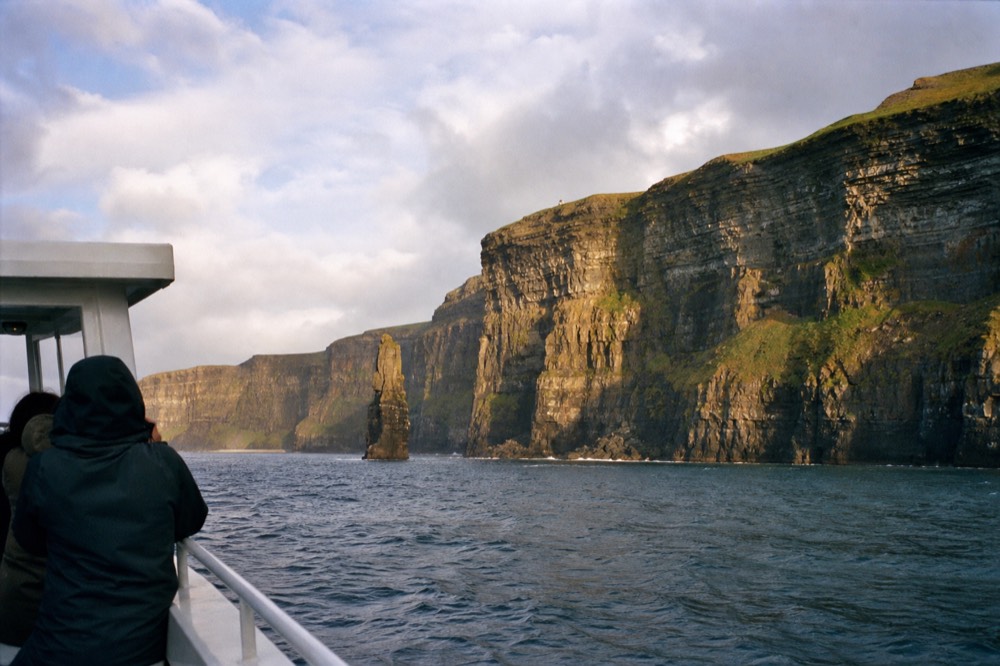
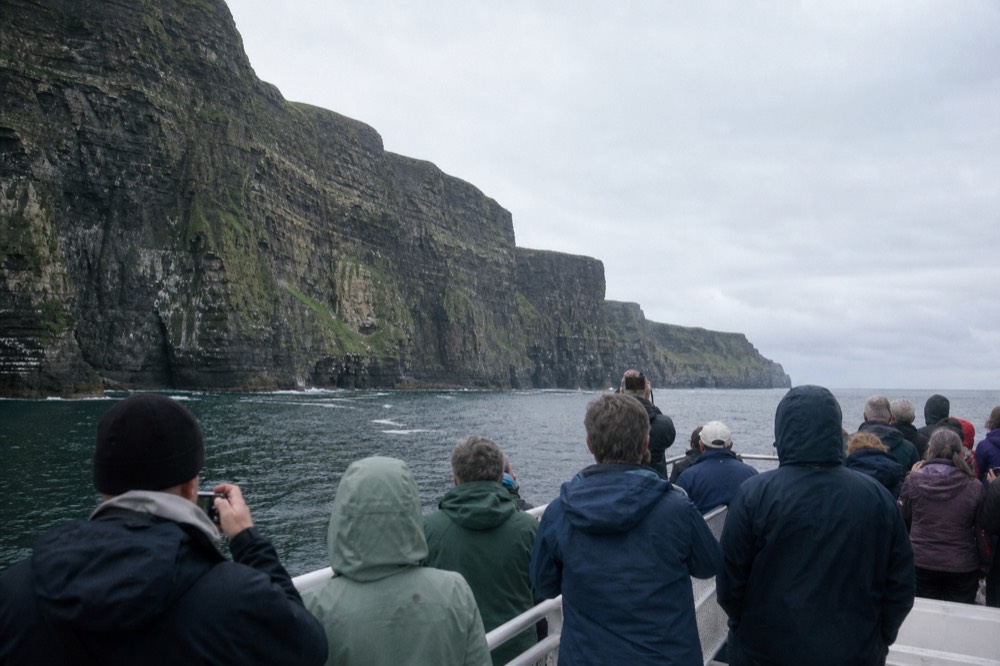
Once you have a window in mind, the choice of listing matters far less than the date and the slot, because the Doolin cruises run the same route on the same water. For a fuller day that folds in an island, or a coach trip from the cities, the options below cover the range, and our guides to the best cliff cruise to book and what each fare includes help you weigh them.
Frequently asked questions
What is the best month for a Cliffs of Moher cruise?
May and June are the best overall. The average seas are calmer than in high summer or autumn, the daylight is long, the puffins are on the ledges at their peak, and the crowds have not yet reached the July and August levels. April and September are the value alternatives, quieter and cheaper with a fair chance of settled water, as long as you stay flexible on the exact day.
When does the Cliffs of Moher cruise season start and end in 2026?
The 2026 season runs from 28 February to 1 November, weather and sea conditions permitting. Departures from Doolin Pier are at 14:00 and 17:15 in the shoulder weeks at each end, expanding to 12:00, 14:00, 15:00 and 17:15 from 28 March to 27 September. The core months carry the most sailings and the best odds of getting out on the water.
Is it better to sail in the morning or the afternoon?
Usually the morning. The wind often drops overnight, so the earliest slot tends to give the flattest water and the calmest ride at the base of the cliffs. A morning booking also leaves the later sailings as a fallback if yours is cancelled. Afternoons can be warmer and, on a midday return, better lit for photography, but they carry more wind and swell as the day builds.
What happens if the cruise is cancelled for weather?
If the operator cancels a sailing for the weather, you are emailed and offered a full refund or a place on another sailing. A customer-initiated cancellation is refunded in full up to the cutoff stated on your booking confirmation; after that deadline it becomes a best-effort reschedule with no guaranteed refund. Booking a date early in your trip, with free cancellation, gives you the most room to rebook if the sea turns.
Will the weather ruin a summer cruise?
Not usually, but summer is no guarantee of a calm sea or a clear sky. July and August bring the warmest weather and the biggest crowds, along with choppier afternoons and, on some 2026 mornings, fog that hid the cliff tops from the water. Book a morning slot for the flattest water, and treat the shoulder months of May, June and September as the sweet spot for settled conditions.
How far ahead should I book?
For the core summer months, book ahead: the busiest full-day trips can sell out, and one Galway day tour carries a "likely to sell out" note. For the plain Doolin cliff cruise, the free-cancellation window means you can reserve a date under its payment and cancellation terms, so booking early still requires checking the payment terms and protects your preferred morning slot in peak season.
Choose the trip that fits your day
Starting recommendation • adjust it below
Doolin: 50-minute cliff cruise
Have a travel date in mind? Check it before arranging the rest of your trip. See the cliff wall, sea stack and sea cave from a boat departing Doolin Pier.
Return to Doolin Pier. Commentary and multilingual QR guide; check the language offered for your date. Parking and clifftop admission are separate. All ages welcome. Wheelchair access depends on harbour tides: contact the operator before booking.
Choose a date to check on GetYourGuide. Ticket options and availability are confirmed there.
Check dates: Doolin: 50-minute cliff cruiseCompare routes, tailor the choice & work out costs
- Doolin: 50-minute cliff cruise · 0.83 hours
- See the cliff wall, sea stack and sea cave from a boat departing Doolin Pier. Return to Doolin Pier. Commentary and multilingual QR guide; check the language offered for your date. Parking and clifftop admission are separate. All ages welcome. Wheelchair access depends on harbour tides: contact the operator before booking.
- Galway: Inisheer, cliff cruise & clifftop · 10 hours
- Coach connections, Inisheer island time and both cliff viewpoints in one day. Meet outside Kinlay Hostel, Merchants Road, for the 09:00 departure. English live guide. Return to Galway around 19:00; food and island activities cost extra. Infants sit on laps; contact the operator about access before booking.
- Galway City Docks: Inis Mór & cliff cruise · 8.5 hours
- Sail directly from Galway City Docks to Inis Mór, with a cliff cruise on the return. Arrive at the docks 30 minutes before departure; return to Galway. English audio guidance. Island transport, activities and parking cost extra. No clifftop visit; confirm mobility and child arrangements with the operator.
Route matching, not a suitability or weather guarantee. Check ages, child seats, language and boarding requirements for your party before paying.