What Is the Best Month to Visit the Cliffs of Moher?
May and June top the list for the Cliffs of Moher: puffins on the ledges, long daylight, calmer seas and lighter crowds than high summer, with the boat running. A month-by-month guide.
 By Niamh O'Connor, Cliffs of Moher & Doolin boat-cruise specialist
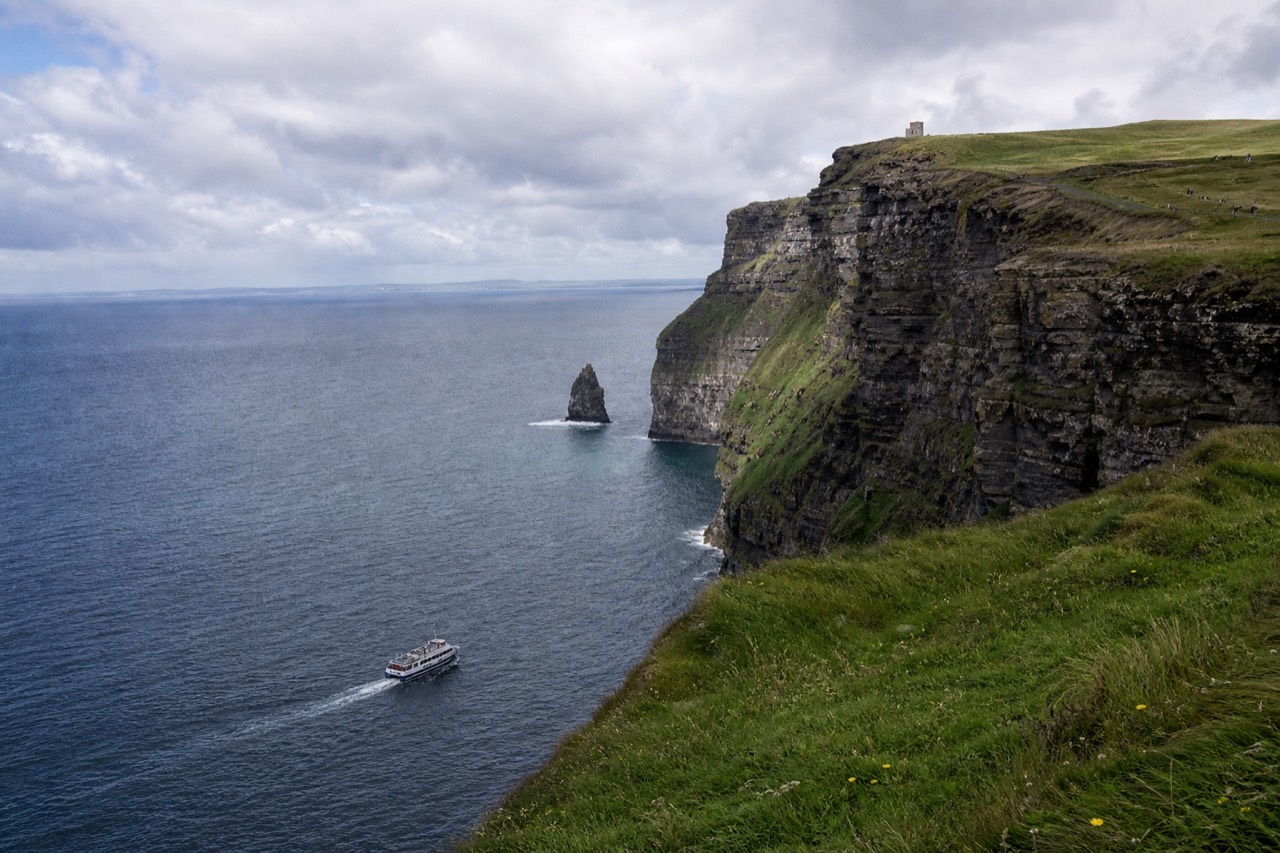
The puffins force the decision for a lot of visitors. They land on the grassy ledges below O'Brien's Tower at the end of March and are gone again by the middle of July, so if seeing them from the water is on your list, your window is fixed before you even look at a forecast. For everyone else, the best month to visit the Cliffs of Moher is a trade between four things: crowds, daylight, calm seas, and whether the boat is even running.
Sort two facts first and the month almost picks itself. The clifftop is open nearly every day of the year. The boat cruise is not. It sails from 28 February to 1 November, weather and sea conditions permitting, which quietly removes a large slice of the calendar for anyone who came for the sea-level view. Once you know which experience you are chasing, the rest is about timing it well.
Prices and review counts quoted in the editorial below are earlier planning snapshots, not live quotes. Check the booking option for your date, currency and party before comparing totals.
What is the single best month to visit the Cliffs of Moher?
May and June are the strongest all-round months. You get puffins on the ledges, daylight well past ten at night, seas that are usually calmer than autumn, and crowds that have not yet hit the July and August peak. September is the close runner-up, quieter still and mild, with the boat running, though the puffins have left by then.
The reason late spring wins is that everything lines up at once. The nesting seabirds are in, the Atlantic tends to be steadier than it is in the shoulder of the season, and the coach traffic that clogs the clifftop car park in midsummer has not fully arrived. You also get long evenings, which matters more than people expect: an afternoon sailing in June still has hours of light behind it, so a weather delay does not automatically kill your plan.
None of this makes May and June risk-free. This is the west coast of Ireland, and a calm forecast can turn by lunchtime. What late spring buys you is better odds, not a guarantee, which is exactly why booking an early date in your trip and keeping it flexible is the smart play whatever month you choose.
What is the Cliffs of Moher like month by month?
Each month trades one thing for another. Spring brings puffins and calmer water but cooler air. Midsummer brings the longest days and the biggest crowds, plus a real chance of sea fog. Autumn thins the crowds and keeps the boat running into early November, then the cruise season closes and only the clifftop stays open through winter.
The scorecard below is a planning allowance rather than a promise. Weather on the Clare coast does not read a calendar, and 2025 was Ireland's second-warmest year on record, so recent seasons have skewed milder than the long-term average. Treat the table as a way to weigh the months against each other, then check the live forecast close to your date.
| Month | Crowds | Sea and weather | Puffins | Boat cruise |
|---|---|---|---|---|
| Feb–Mar | Light | Cold, can be rough | Arrive end of March | Opens 28 Feb, limited sailings |
| April | Light to moderate | Cool, improving | Yes, building | Running, fuller timetable from late March |
| May | Moderate | Often calmer, mild | Yes, prime | Running, full timetable |
| June | Moderate to busy | Mild, long daylight | Yes, prime | Running, full timetable |
| July | Busy | Warm, fog possible | Leaving by mid-month | Running, full timetable |
| August | Busiest | Warm, fog common | Gone | Running, full timetable |
| Sept | Moderate | Mild, can be choppy | Gone | Running, full timetable |
| Oct | Light | Cooler, more swell | Gone | Running, closes 1 Nov |
| Nov–Jan | Very light | Cold, stormy | Gone | Cruise closed, clifftop only |
The pattern that jumps out is the mismatch between the two experiences. The clifftop is a year-round attraction that pulled just over 1.5 million visitors in 2025, according to the official Cliffs of Moher visitor centre, which makes it Ireland's second most-visited site after the Guinness Storehouse. The boat is a seasonal, weather-dependent thing that only exists for about eight months of the year. If your dates fall in winter, the water simply is not an option, and the month question answers itself.
Temperature is the mildest variable of the lot. Clare rarely gets hot, so even July and August tend to sit in the high teens Celsius, and a spring or autumn day can feel just as pleasant with far fewer people around. What swings much more across the year is the sea and the wind, which decide whether the boat sails at all, and the daylight, which stretches from under nine hours in the depths of winter to more than sixteen at the June solstice. Plan around the water and the light, not the thermometer.
When do the puffins arrive at the cliffs?
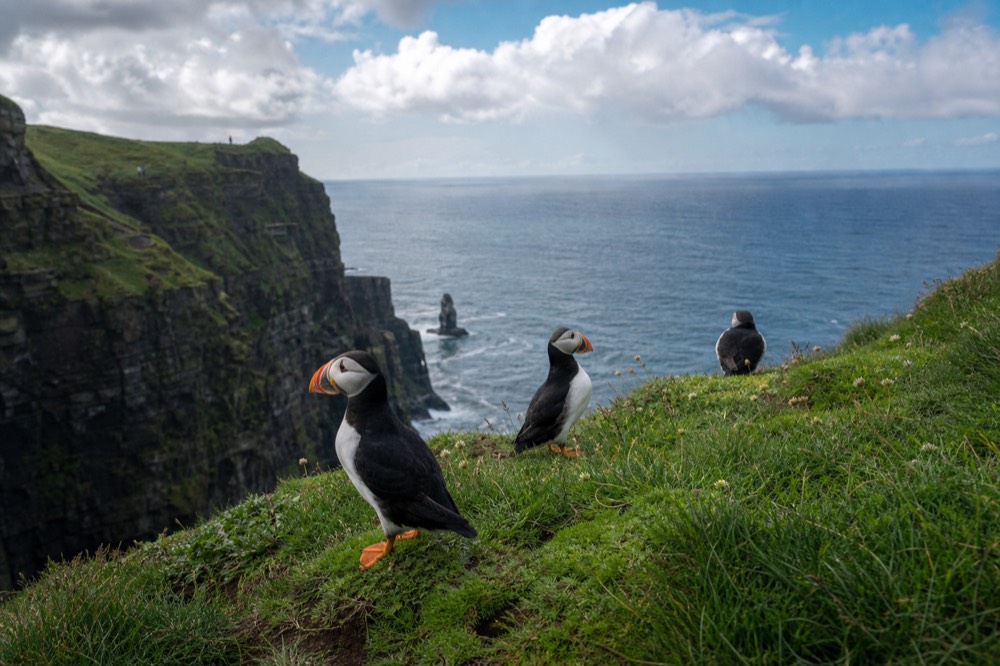
Atlantic puffins reach the Cliffs of Moher at the end of March and stay until roughly mid-July, with the best viewing in May and June. They nest in burrows on the grassy slopes and on Goat Island near the sea stack, alongside fulmars, kittiwakes, guillemots and razorbills. Miss that window and you miss the puffins, though the other seabirds linger a little longer.
If the puffins are the whole reason you are going, plan tightly. The official window is late March to mid-July, and the National Parks and Wildlife Service counts this stretch of coast among Ireland's important seabird colonies, with thousands of pairs of fulmar, kittiwake and guillemot on the ledges. From the water you get closer to the nesting slopes than the clifftop path allows, which is why a spring cruise is the birdwatchers' pick. Our guide to puffins and seabirds on the cruise breaks down the species and the exact weeks to aim for.
One honest caveat from 2025: avian flu, H5N1, turned up in dead wild seabirds washing onto Clare shores that year, part of a wider pattern along the Wild Atlantic Way. No quantified hit to the Moher puffin colony has been reported, and the birds returned as normal, but it is a reminder that a wild colony is never a fixed show. You are watching nature, not a scheduled event.
If you miss the puffins, the cliffs are still loud with birds. Fulmars, kittiwakes, guillemots and razorbills work the ledges from spring well into summer, and shags, choughs and the occasional peregrine hunt the face for much of the year. So a June trip is the peak, but an April or a July sailing still puts thousands of seabirds within view, just without the star attraction waddling on the grassy slopes. For the strict puffin window, plan your dates around late spring and book the boat early.
Which months are best for the boat cruise itself?
The cruise runs from 28 February to 1 November, and the most reliable stretch is roughly May to September, when the timetable is fullest and the odds of a calm sailing are best. Mornings tend to be steadier than afternoons, and the middle of the season beats the shoulders for consistency. Book an earlier day in your trip so you can rebook if the sea turns.
Weather is the only thing that really decides a cruise day, so the best month for the boat is the one that gives you the most chances to catch a calm sea. That points to the core of the season. Sailings from Doolin Pier run several times a day through the summer, thinning to a couple of departures in the opening and closing weeks. A fuller timetable means more slots to pick from and more room to rebook, which is why Cliffs of Moher Cruises steers first-timers toward the busier middle months rather than the quiet edges.
The Atlantic still gets the final vote. In early October 2025, every sailing was cancelled for two days as Storm Amy came through, then service resumed. The newer stabilised vessel, the Cliffs of Moher Express delivered in 2025, rides steadier than the older boats in swell, but no hull erases an Atlantic sea. Our guide to the calmest months to sail and the piece on morning versus afternoon sailings both dig into timing.
The cancellation terms are worth knowing, because they change how you should book. If the operator calls off a sailing for weather, you are emailed and offered a full refund or a place on another departure, so a cancelled boat costs you nothing but the rearranging. A customer cancellation is refunded in full up to the cutoff stated on your booking confirmation, and inside that window the operator will try to move you to another slot rather than refund. Because every core listing also carries free cancellation, holding an early date in your trip is close to risk-free, which is exactly why booking ahead beats gambling on a walk-up.
The published timetable itself points to the reliable months. In the opening weeks from 28 February, and again in the closing weeks to 1 November, sailings thin to a couple of afternoon departures, around 2pm and 5:15pm. Through the core from late March to late September the boat runs several times a day, adding midday and mid-afternoon slots. More departures mean more chances to catch calm water and more room to rebook, which is another reason the middle of the season is the dependable pick over the quiet edges.
Are July and August worth it?
They can be, if you accept the trade. High summer brings the warmest air, the longest daylight and the fullest boat timetable, but also the biggest crowds at the clifftop and a real chance of sea fog that hides the cliff tops from below. If you can only travel in July or August, book early, sail in the morning, and treat a foggy day as a coin toss you might lose.
The pull of midsummer is obvious. Sunset after ten in June and July gives you a long day, the water is at its warmest, and every sailing on the timetable is running. If you are travelling with children or on a fixed school-holiday window, this is often the only realistic option, and plenty of people have a fine trip. It just is not the connoisseur's pick.
The drawbacks are real, though. August 2026 reviews frequently mentioned fog and low visibility obscuring the tops of the cliffs from the water, which is the one thing that can flatten the whole experience. The clifftop car park and paths are at their most crowded, and the popular combined day trips sell out.
Booking ahead matters most in these two months. Operator-adjacent guides for the 2026 season note that summer slots fill early and recommend reserving online rather than turning up at the pier, and the busiest Galway combined day trips carry a "likely to sell out" flag through the peak. A morning crossing is the safer pick even in high summer, both for calmer water and for the flexibility to rebook onto a later sailing if the forecast wobbles.
What about the shoulder months and winter?
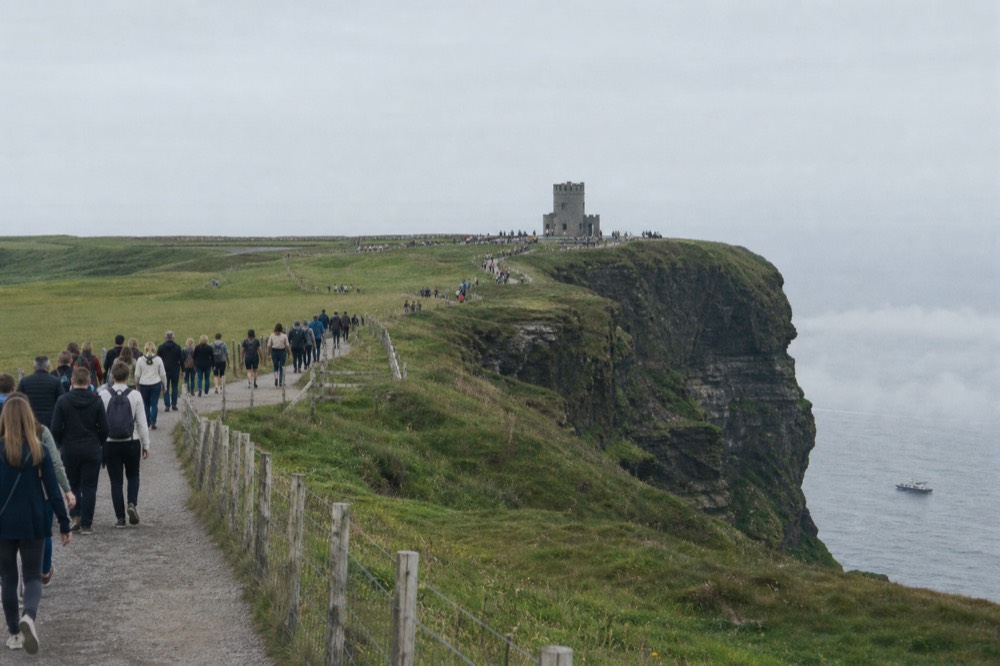
April, September and October are underrated. The crowds ease, the light is soft, prices and availability are friendlier, and the boat is still sailing right up to 1 November. Winter, from November through February, closes the cruise entirely, so only the clifftop remains, wind-battered and dramatic but with no way onto the water.
The shoulder season is where value-minded visitors quietly win. April carries the first puffins and thinner crowds, though the air is cooler and the sea less settled than May. September holds mild weather and a full timetable with the summer rush gone. October is the gamble month: quieter and often beautiful, but with more swell and a higher chance of a cancelled sailing as the Atlantic wakes up for autumn.
Winter is a different proposition entirely. From November to late February the cruise does not run, and the clifftop, while open subject to weather and safety restrictions, is exposed to full Atlantic storms. You can still stand at the rail and watch the sea explode against the base of the cliffs, but there is no boat to take you there. If the sea-level view is the point of your trip, do not plan it for winter. Our look at whether the boat tour is worth it explains why the water angle is the thing you would be missing.
So which month should you actually book?
Book May or June if you can, for puffins, calmer seas, long light and manageable crowds. Take September as the quiet-season alternative, April for early birds on a budget, and July or August only if the school calendar decides it for you. Avoid winter for the cruise, since the boat does not sail from November through February.
If you are weighing one month against another, work backwards from what you most want to see. Puffins pin you to late March through mid-July. The calmest boat odds point to summer mornings. The lightest crowds send you to the spring and autumn shoulders. The best single answer for most visitors, the one that satisfies the widest set of those wants at once, keeps landing on late spring.
Whatever month you land on, the booking tactic is the same: reserve an earlier day in your trip, pick a morning sailing, and keep a backup afternoon or a clifftop plan in your pocket in case the sea has other ideas. The detailed look at May weather is worth a read if you are leaning toward the sweet-spot month, and the Doolin cliff cruise and boarding guide covers which sailing to book once your dates are set.
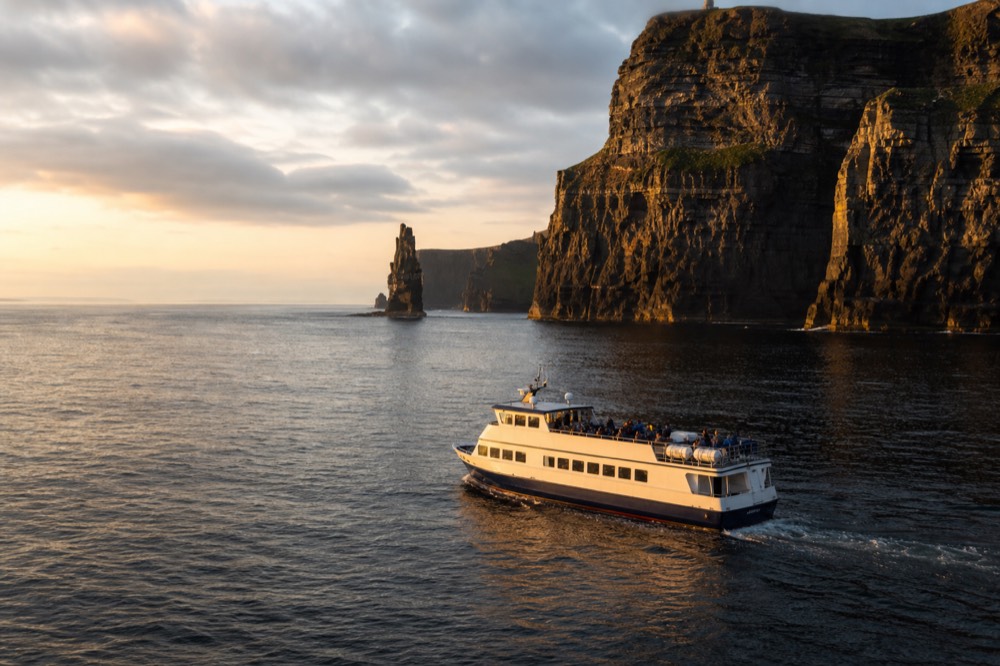
The one month to be wary of committing to blind is October. It is often lovely and always quiet, but it carries the highest in-season chance of a cancelled sailing, so if you go late, build slack into your dates and have the clifftop as a fallback. Do that, and even a shoulder-month trip can deliver the water you came for.
Frequently asked questions
What is the best month overall to visit the Cliffs of Moher?
May and June are the best all-round months. You get puffins on the ledges, daylight past ten at night, seas that are usually calmer than autumn, and crowds below the July and August peak, with the boat cruise on its full timetable. September is the strongest quiet-season alternative, mild and much less busy, though the puffins have gone by then.
What month can you see puffins at the Cliffs of Moher?
Puffins arrive at the end of March and stay until about mid-July, with the best viewing in May and June. They nest in burrows on the grassy slopes and near the sea stack. Come outside that window and the puffins are gone, though other seabirds like fulmars, kittiwakes and guillemots stay on the ledges longer.
Can you visit the Cliffs of Moher in winter?
You can visit the clifftop in winter, since the visitor centre and paths stay open subject to weather and safety restrictions, but the boat cruise does not run. The 2026 cruise season is 28 February to 1 November, so from November through February there is no way to see the cliffs from the water, only from the top.
Is July too crowded at the Cliffs of Moher?
July and August are the busiest months at the clifftop, with peak coach traffic and packed paths, and popular combined day trips sell out. The boat cruise is less affected by crowds, but summer brings a real chance of sea fog that can hide the cliff tops from the water. Book early and sail in the morning to improve your odds.
What is the quietest month with the boat still running?
October is the quietest in-season month, with light crowds and often beautiful light, and the cruise runs until 1 November. The trade-off is weather: October carries the highest in-season chance of a cancelled sailing as Atlantic swell builds. Build spare days into your trip and keep the clifftop as a fallback if you travel late in the season.
Is May or September better for the Cliffs of Moher?
Both are excellent shoulder-season months with lighter crowds and a full boat timetable. May edges it for wildlife, since the puffins are in and the seas are often calmer, and the light is building toward the summer solstice. September is milder in the air and quieter still, but the puffins have gone and Atlantic swell is beginning to build. Choose May for birds and calm, September for warmth and quiet.
Choose the trip that fits your day
Starting recommendation • adjust it below
Doolin: 50-minute cliff cruise
Have a travel date in mind? Check it before arranging the rest of your trip. See the cliff wall, sea stack and sea cave from a boat departing Doolin Pier.
Return to Doolin Pier. Commentary and multilingual QR guide; check the language offered for your date. Parking and clifftop admission are separate. All ages welcome. Wheelchair access depends on harbour tides: contact the operator before booking.
Choose a date to check on GetYourGuide. Ticket options and availability are confirmed there.
Check dates: Doolin: 50-minute cliff cruiseCompare routes, tailor the choice & work out costs
- Doolin: 50-minute cliff cruise · 0.83 hours
- See the cliff wall, sea stack and sea cave from a boat departing Doolin Pier. Return to Doolin Pier. Commentary and multilingual QR guide; check the language offered for your date. Parking and clifftop admission are separate. All ages welcome. Wheelchair access depends on harbour tides: contact the operator before booking.
- Galway: Inisheer, cliff cruise & clifftop · 10 hours
- Coach connections, Inisheer island time and both cliff viewpoints in one day. Meet outside Kinlay Hostel, Merchants Road, for the 09:00 departure. English live guide. Return to Galway around 19:00; food and island activities cost extra. Infants sit on laps; contact the operator about access before booking.
- Galway City Docks: Inis Mór & cliff cruise · 8.5 hours
- Sail directly from Galway City Docks to Inis Mór, with a cliff cruise on the return. Arrive at the docks 30 minutes before departure; return to Galway. English audio guidance. Island transport, activities and parking cost extra. No clifftop visit; confirm mobility and child arrangements with the operator.
Route matching, not a suitability or weather guarantee. Check ages, child seats, language and boarding requirements for your party before paying.